
Feng Shui & European Furniture
Harmonizing Ancient Chinese Wisdom with European Elegance
Feng Shui, the ancient Chinese art of harmonizing energy flow, can be beautifully integrated with European furniture design. By combining the principles of balance, natural elements, and spatial harmony with the craftsmanship and elegance of European pieces, you can create living spaces that are not only visually stunning but also promote well-being, prosperity, and positive energy.
Core Feng Shui Principles for European Furniture Placement
The Bagua Map
The Bagua is an energy map that divides your space into nine areas, each corresponding to different life aspects (wealth, health, relationships, etc.). Position European furniture thoughtfully within these zones to enhance specific areas of your life. For example, place a solid wooden desk in the career zone (north) or a luxurious sofa in the relationship zone (southwest).
Chi Flow & Pathways
Chi (life energy) should flow smoothly through your home. Avoid blocking doorways or windows with large European furniture pieces. Arrange sofas, tables, and chairs to create clear pathways and encourage gentle, meandering energy flow rather than straight, rushing lines.
Five Elements Balance
Feng Shui emphasizes five elements: Wood, Fire, Earth, Metal, and Water. European wooden furniture naturally represents the Wood element. Balance this with Metal (brass hardware, silver accents), Earth (stone tabletops, ceramic décor), Fire (candles, warm lighting), and Water (mirrors, glass surfaces) to create harmony.
Commanding Position
Place key furniture pieces—such as your bed, desk, or main sofa—in the 'commanding position': facing the door but not directly in line with it, with a solid wall behind for support. This positioning promotes a sense of security and control, essential for rest and productivity.
Feng Shui for the Living Room
The living room is the heart of social energy in your home. Apply these Feng Shui principles when arranging your European furniture:
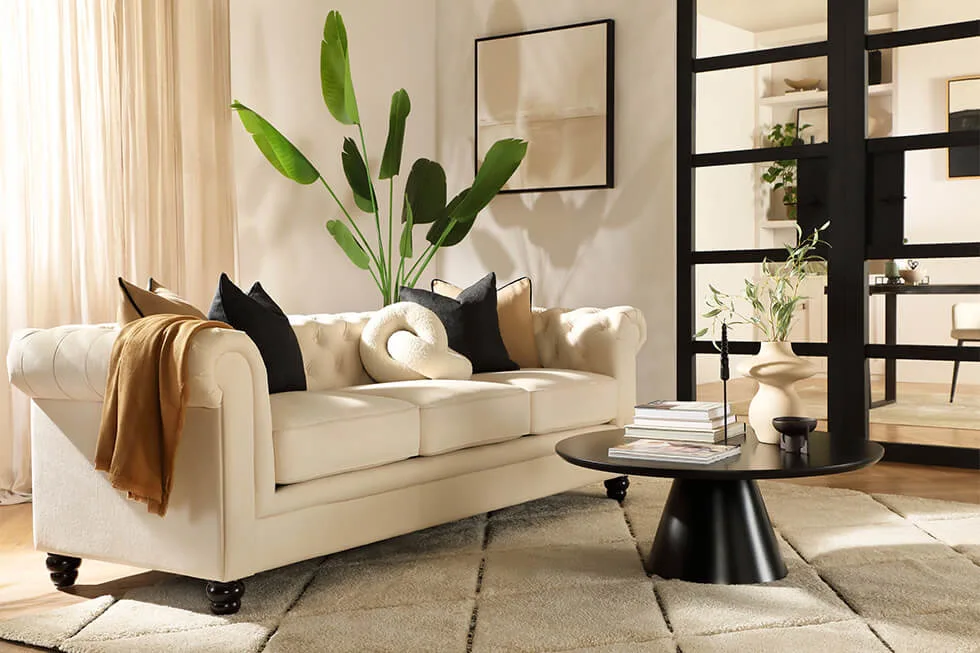
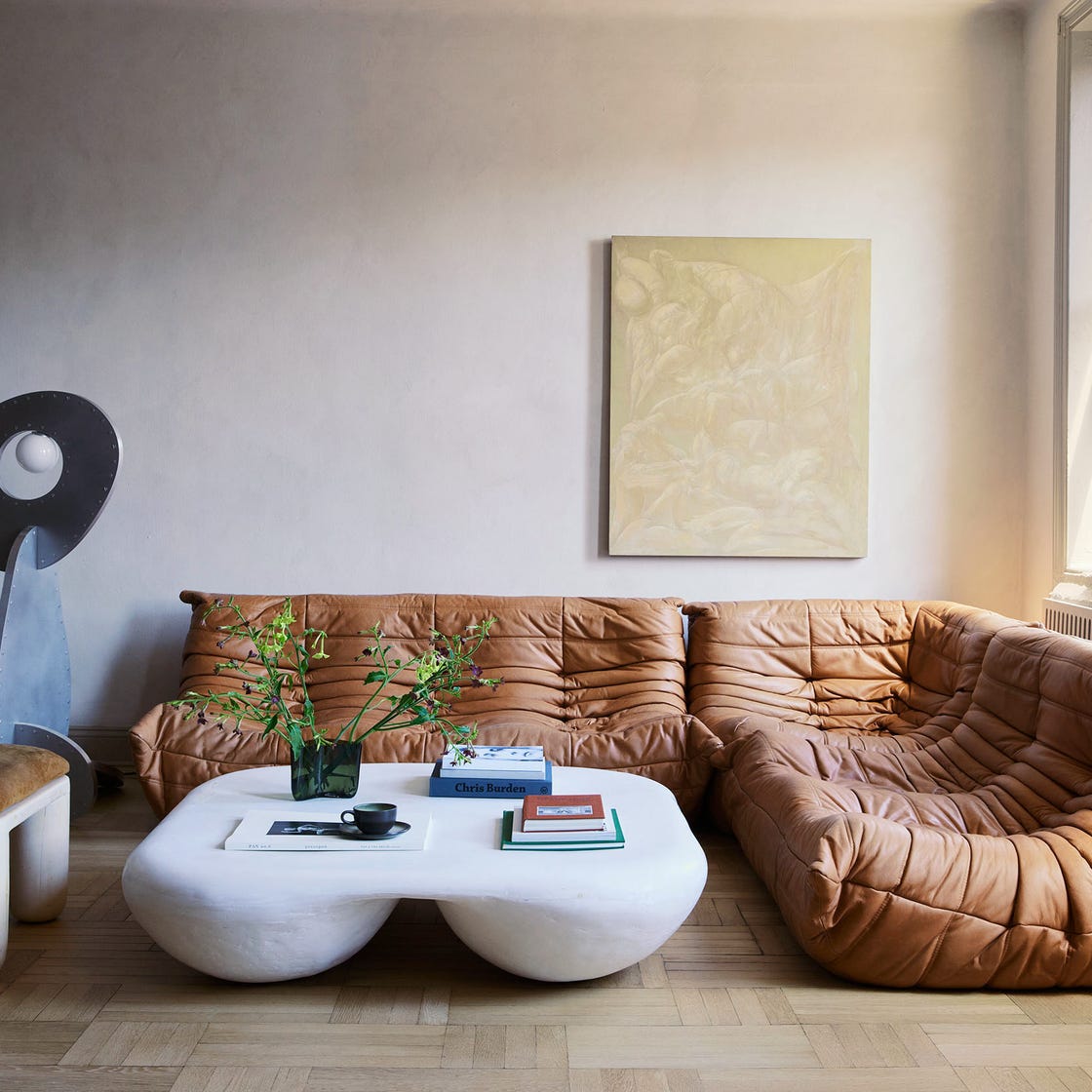
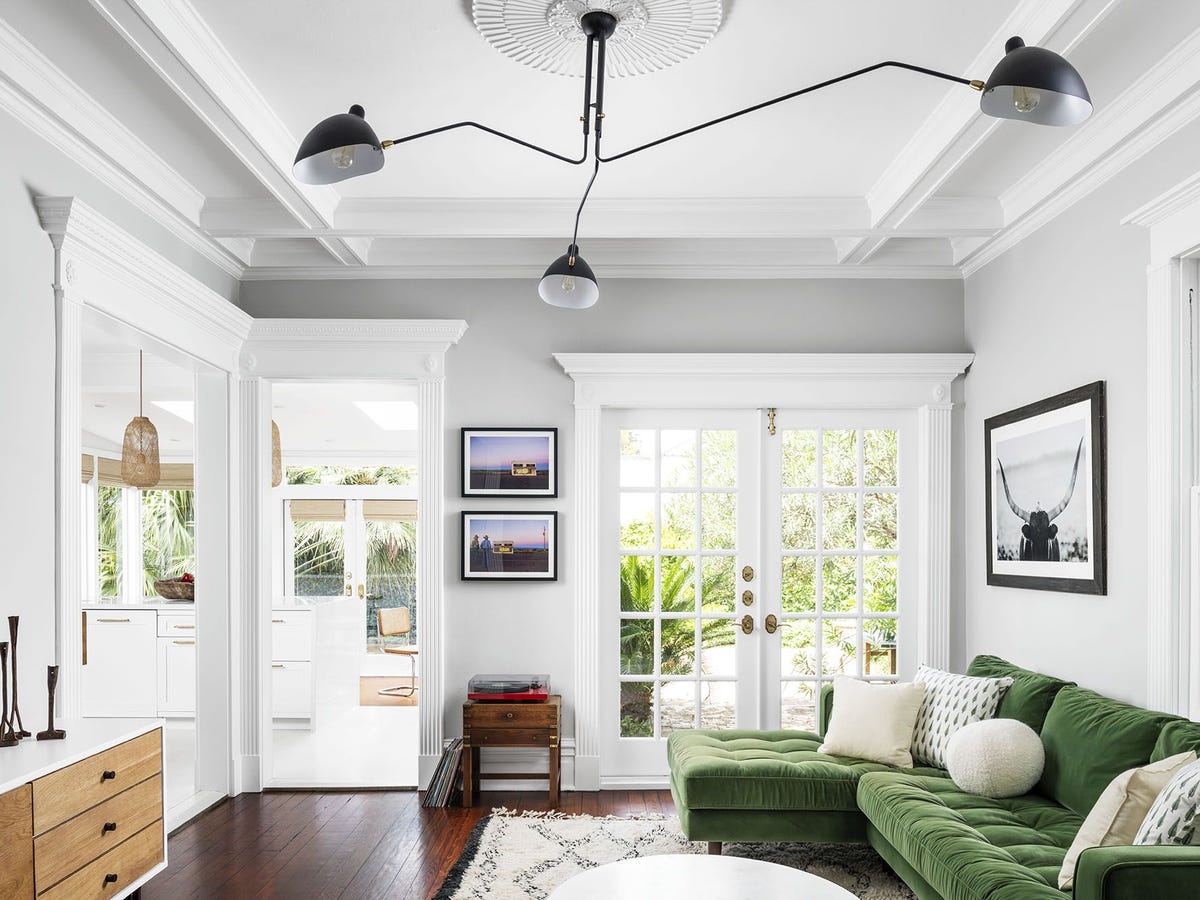
**Sofa Placement**: Position your European sofa against a solid wall, facing the entrance. This creates a sense of stability and allows you to see who enters, promoting security and openness.
**Coffee Table**: Choose a round or oval European coffee table to encourage smooth energy flow and harmonious conversation. Avoid sharp corners pointing at seating areas.
**Symmetry**: Use pairs of European armchairs or side tables to create balance and harmony. Symmetry is a key Feng Shui principle that promotes stability.
**Natural Light**: Maximize natural light with sheer curtains. European wooden furniture glows beautifully in sunlight, enhancing the Wood element and promoting vitality.
**Plants & Décor**: Add living plants to boost Wood energy and air quality. Choose European-style planters and decorative pieces that reflect your personal taste while maintaining balance.
Feng Shui for the Bedroom
The bedroom is your personal sanctuary for rest and rejuvenation. Feng Shui principles help create a peaceful, balanced environment:
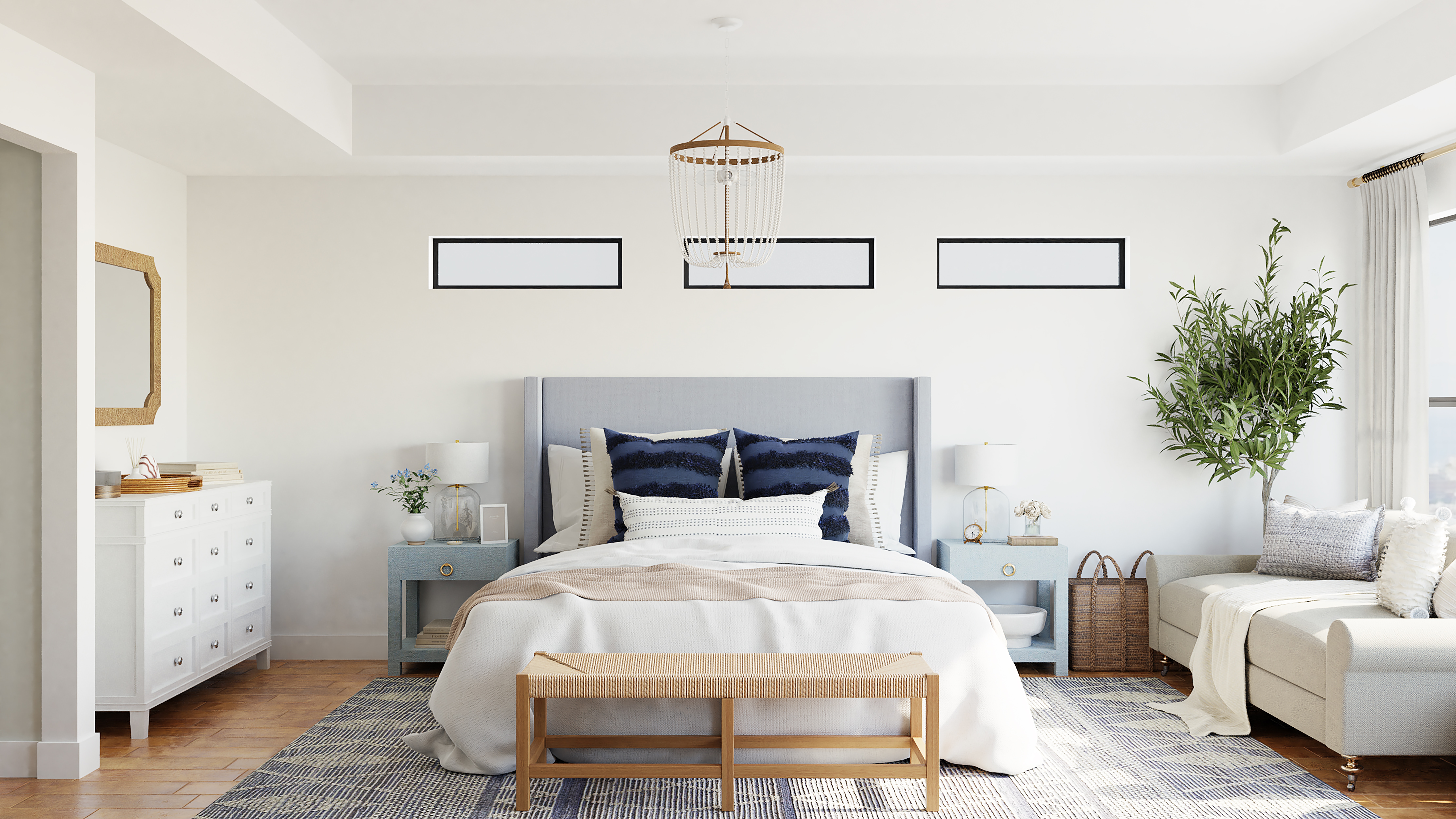
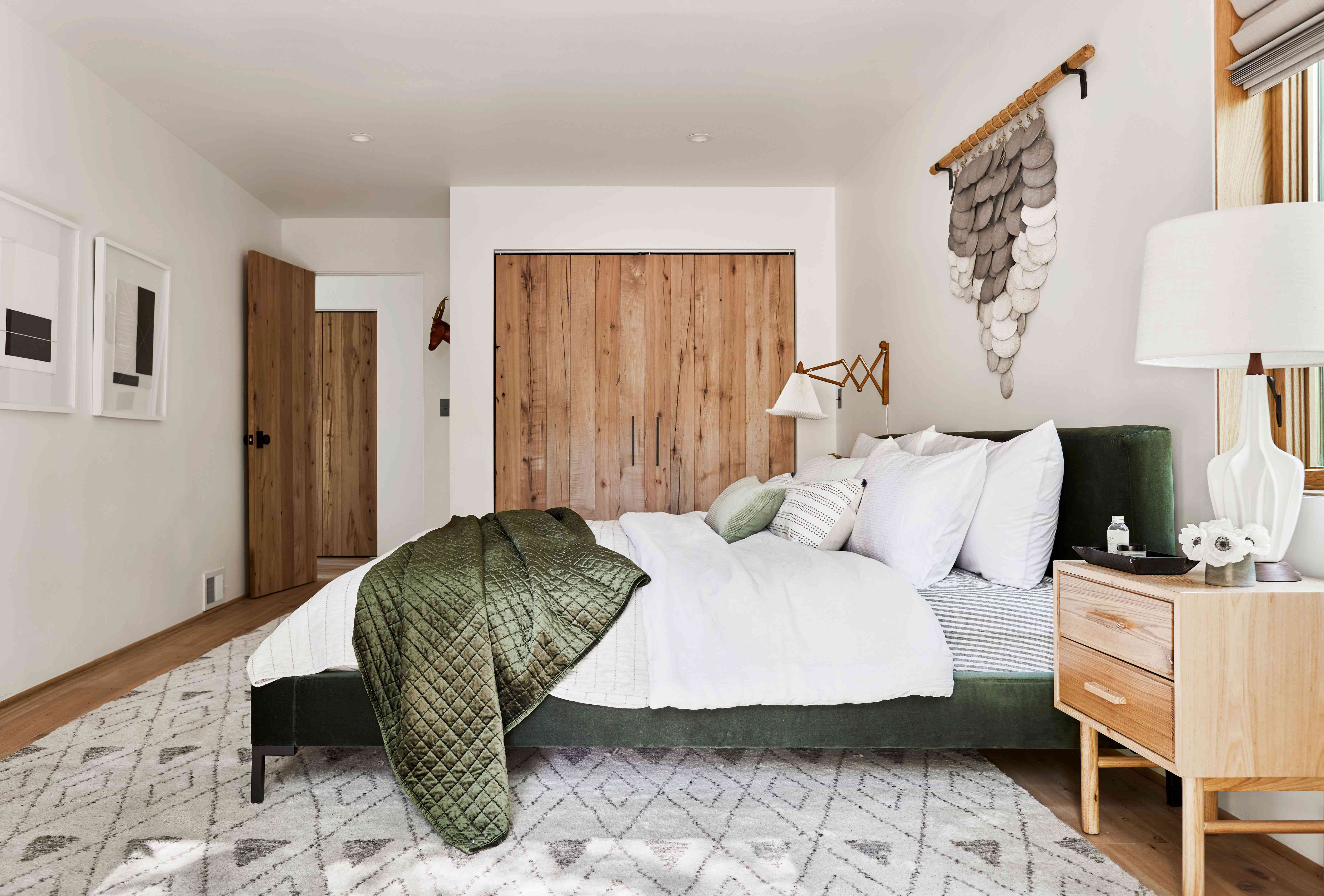
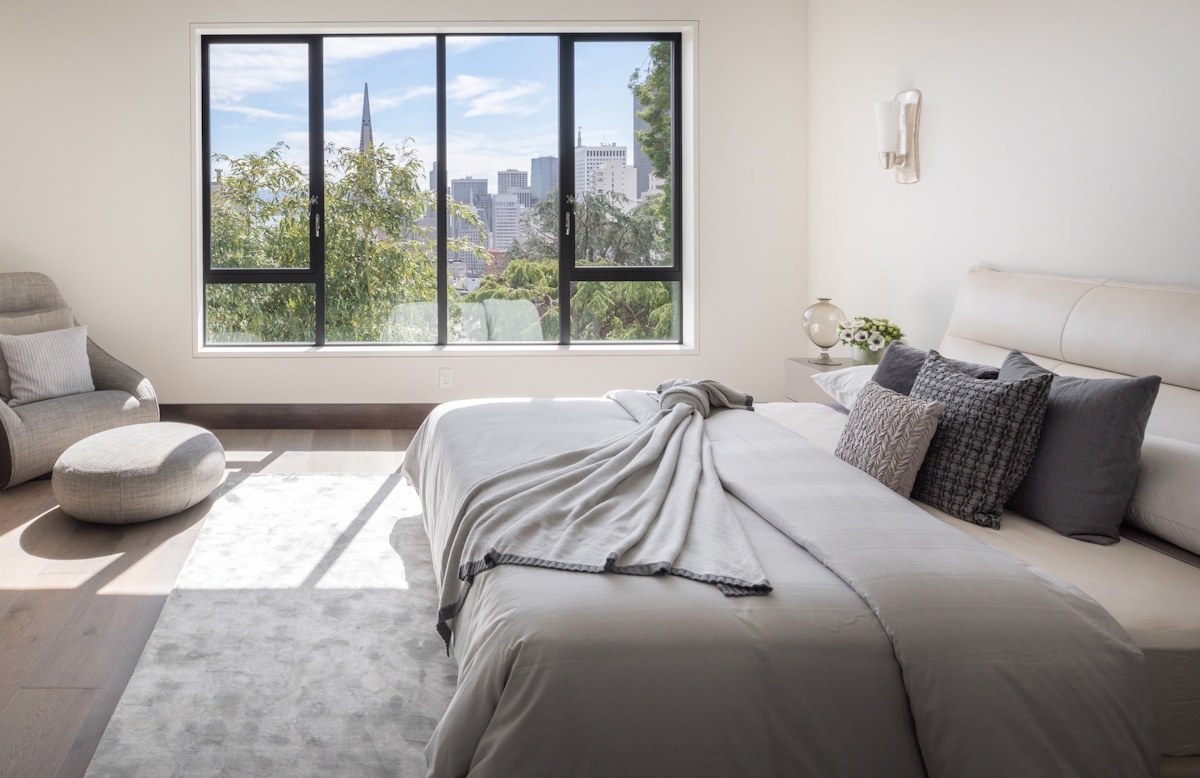
**Bed Position**: Place your European bed in the commanding position—diagonally opposite the door with a solid headboard against the wall. Avoid positioning the bed directly in line with the door or under a window.
**Headboard**: Choose a substantial wooden headboard for your European bed. Wood represents growth and stability, providing strong support for restful sleep.
**Nightstands**: Use matching European nightstands on both sides of the bed to create symmetry and balance. This also supports partnership and relationship harmony.
**Minimal Clutter**: Keep the bedroom free of clutter, especially under the bed. European furniture with built-in storage helps maintain order and allows Chi to flow freely.
**Soft Colors**: Pair your wooden European furniture with soft, soothing colors—creams, taupes, soft blues, or gentle greens—to promote relaxation and restful sleep.
**Mirrors**: Avoid placing mirrors facing the bed, as they can disrupt sleep by reflecting energy. If you have a European wardrobe with mirrors, position it thoughtfully or cover mirrors at night.
Feng Shui for the Dining Room
The dining room represents nourishment, abundance, and family unity. Feng Shui enhances these qualities:
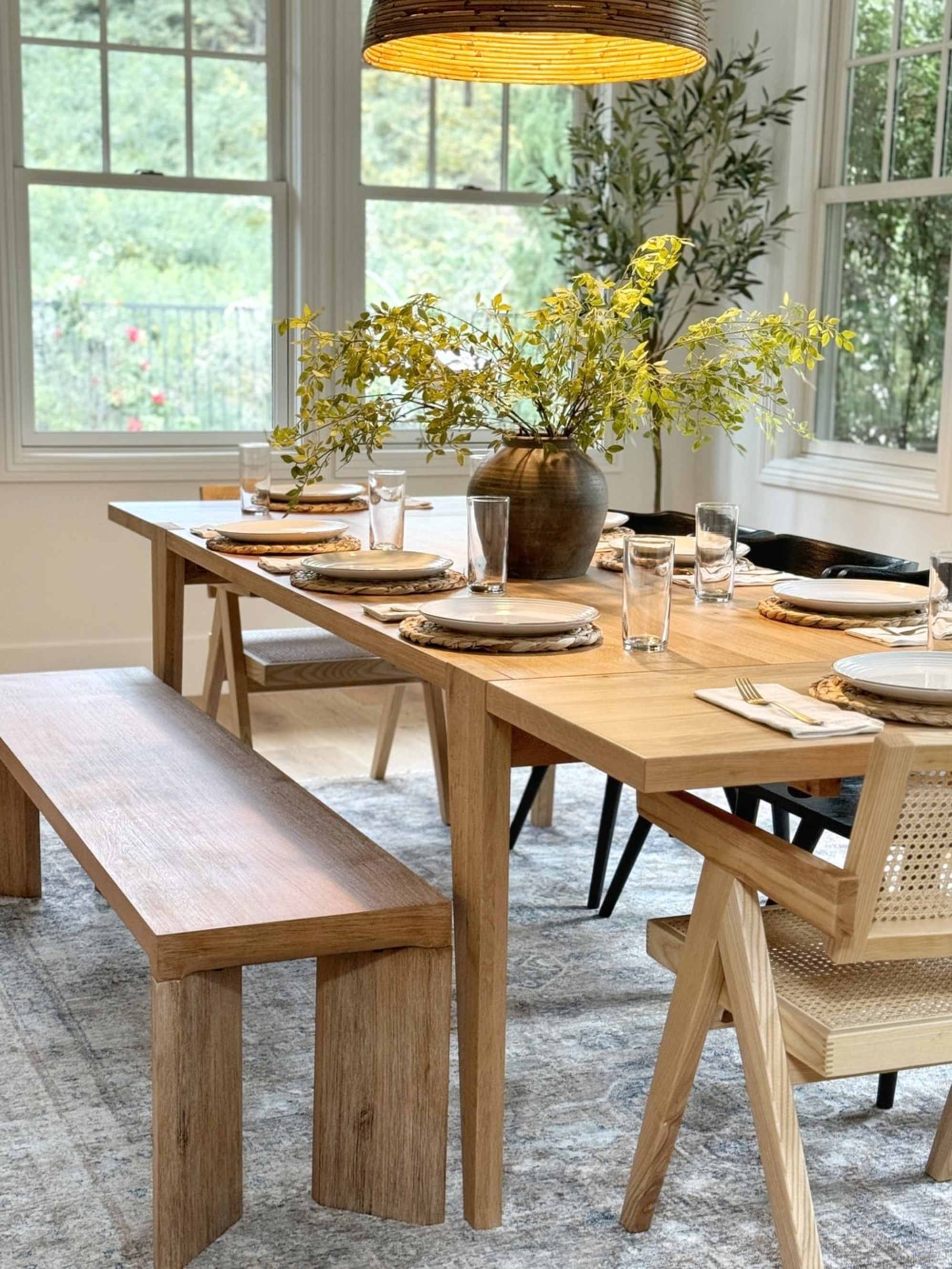
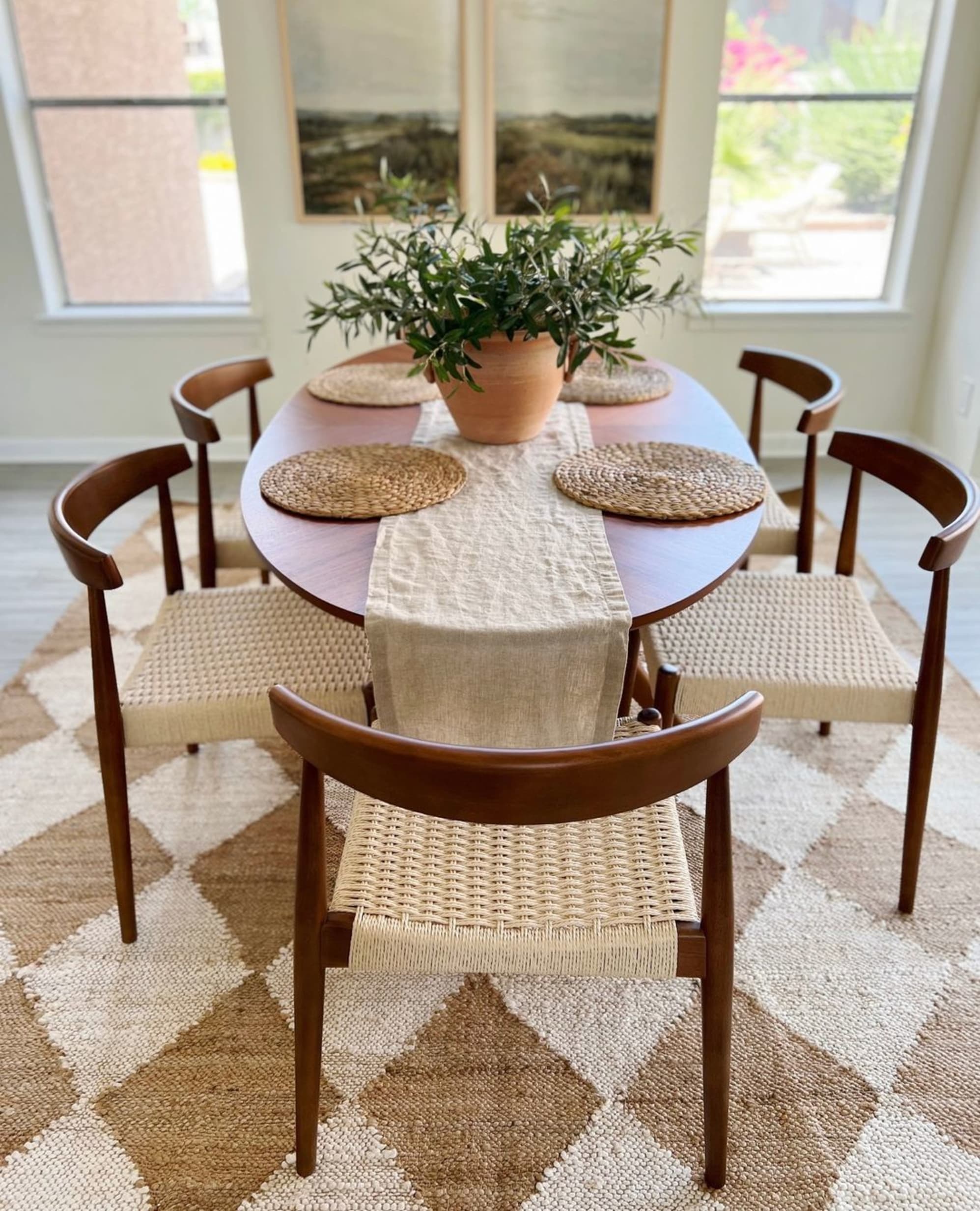
**Table Shape**: Round or oval European dining tables are ideal for Feng Shui, as they promote equality and smooth conversation flow. Rectangular tables are also acceptable if corners are rounded.
**Seating**: Ensure all diners can see the entrance without sitting directly in line with the door. Use European dining chairs with solid backs for support and stability.
**Lighting**: Hang a statement chandelier directly above the center of the table. This represents the Fire element and symbolizes abundance and warmth.
**Mirrors**: A mirror in the dining room can symbolically double your abundance and prosperity. Position it to reflect the dining table and food.
**Décor**: Use European-style centerpieces—fresh flowers, fruit bowls, or candles—to enhance the Earth and Fire elements. Avoid dried flowers or artificial plants, which represent stagnant energy.
Practical Feng Shui Tips for European Furniture
Choose solid wood European furniture over particleboard or veneer. Solid wood carries stronger, more positive energy.
Avoid furniture with sharp corners pointing at seating areas. If unavoidable, soften corners with plants or decorative items.
Keep furniture proportional to room size. Oversized pieces can overwhelm a space and block Chi flow.
Maintain balance between Yin (soft, curved, dark) and Yang (hard, angular, light) elements in your furniture selection.
Regularly clean and maintain your European furniture. Dust and neglect create stagnant energy.
Use natural fabrics for upholstery—linen, cotton, silk, or wool—to enhance connection with nature and promote positive energy.